CER Spirits CER Spirits
Casa Manglar Espadín

House two · Mezcal

Casa Manglar

Ten years in the ground. Four days in fire. Twice through copper. That is the whole recipe, and it is the reason there is only so much of it.

San Juan del Río · Sierra de Oaxaca

The house

Casa Manglar means mangrove house.

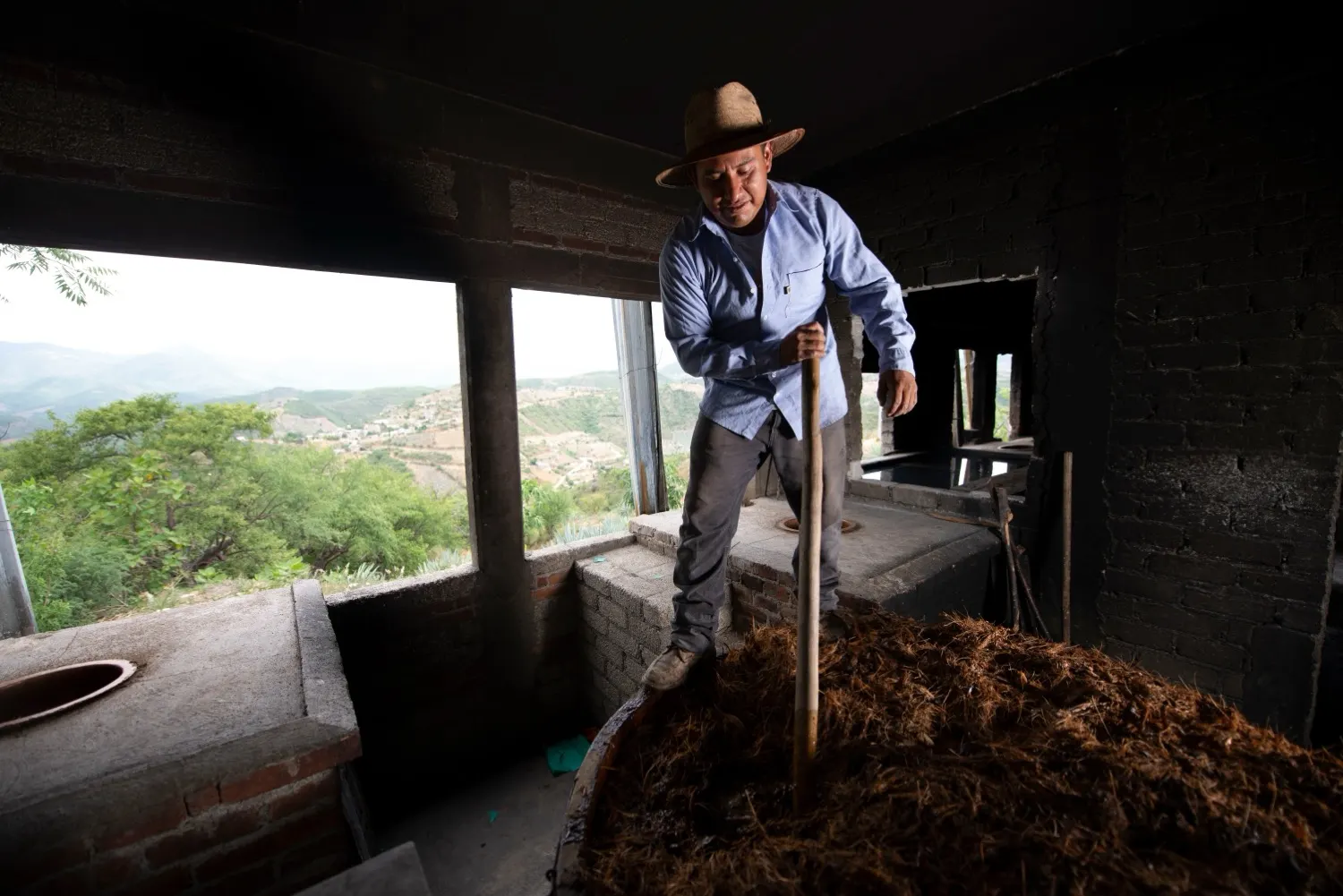
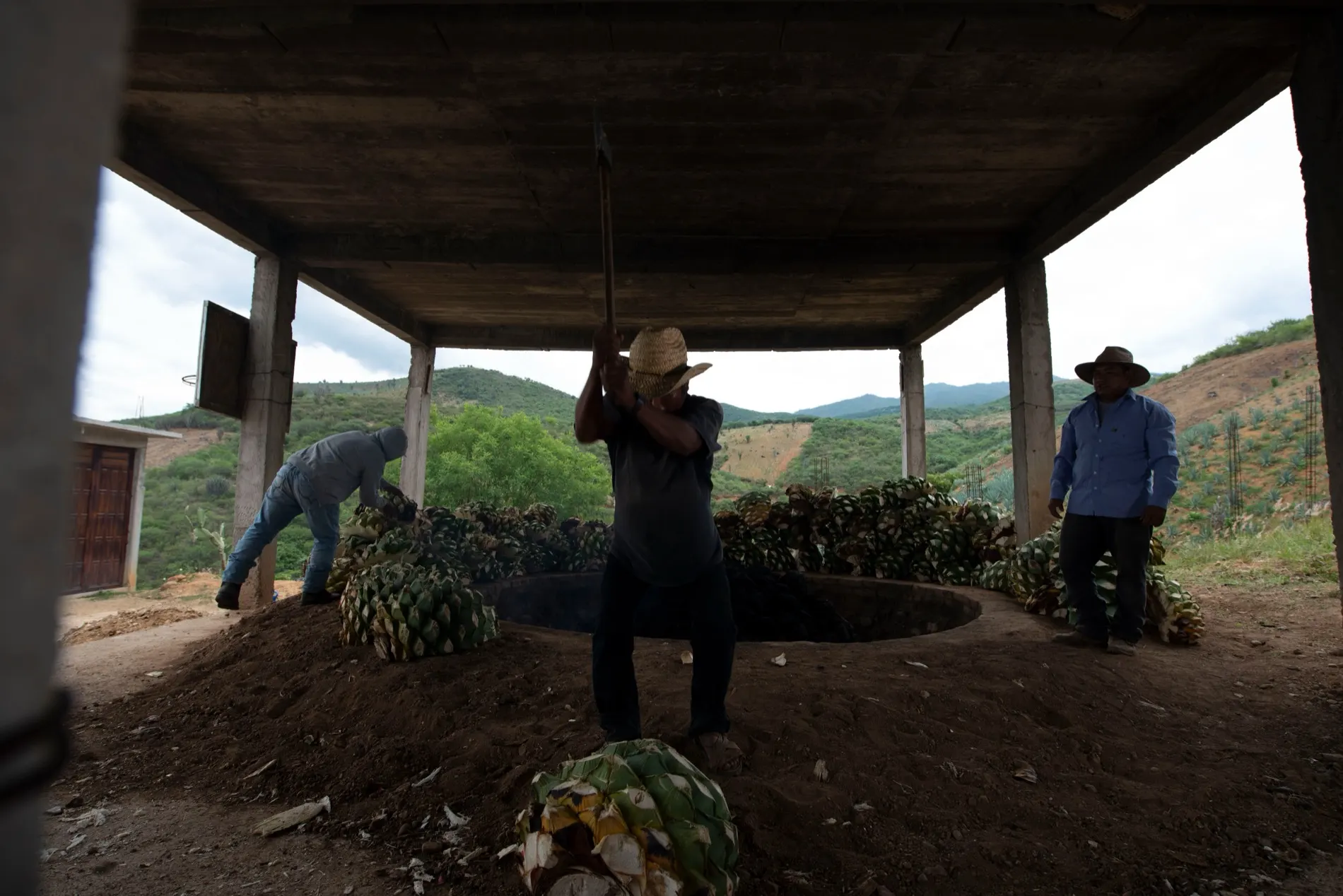
We spent a long time looking for the right place to make mezcal and found it in the mountains of the Sierra de Oaxaca. Here the old methods are not nostalgia. They are simply the method that works: a stone-lined pit, a tahona, open wooden vats, small copper stills.

The name is a debt. A mangrove is the place where land becomes water. This house is where earth becomes mezcal.

We work hand in hand with the producer, we chase the profile of the maguey instead of volume, and we take no shortcuts. There are only so many bottles in a year, and that is the point.

The palenque in San Juan del Río, Oaxaca

The collection

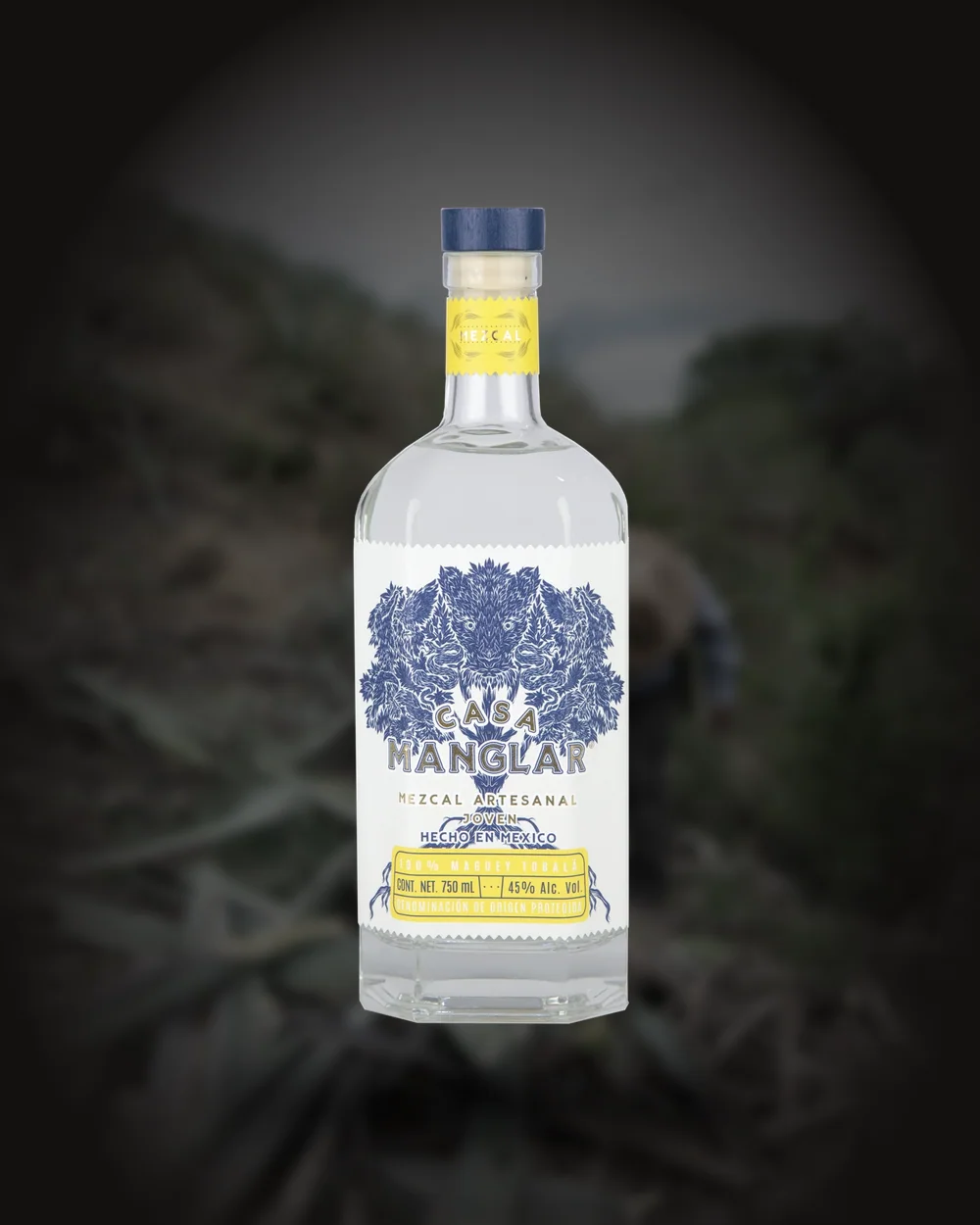
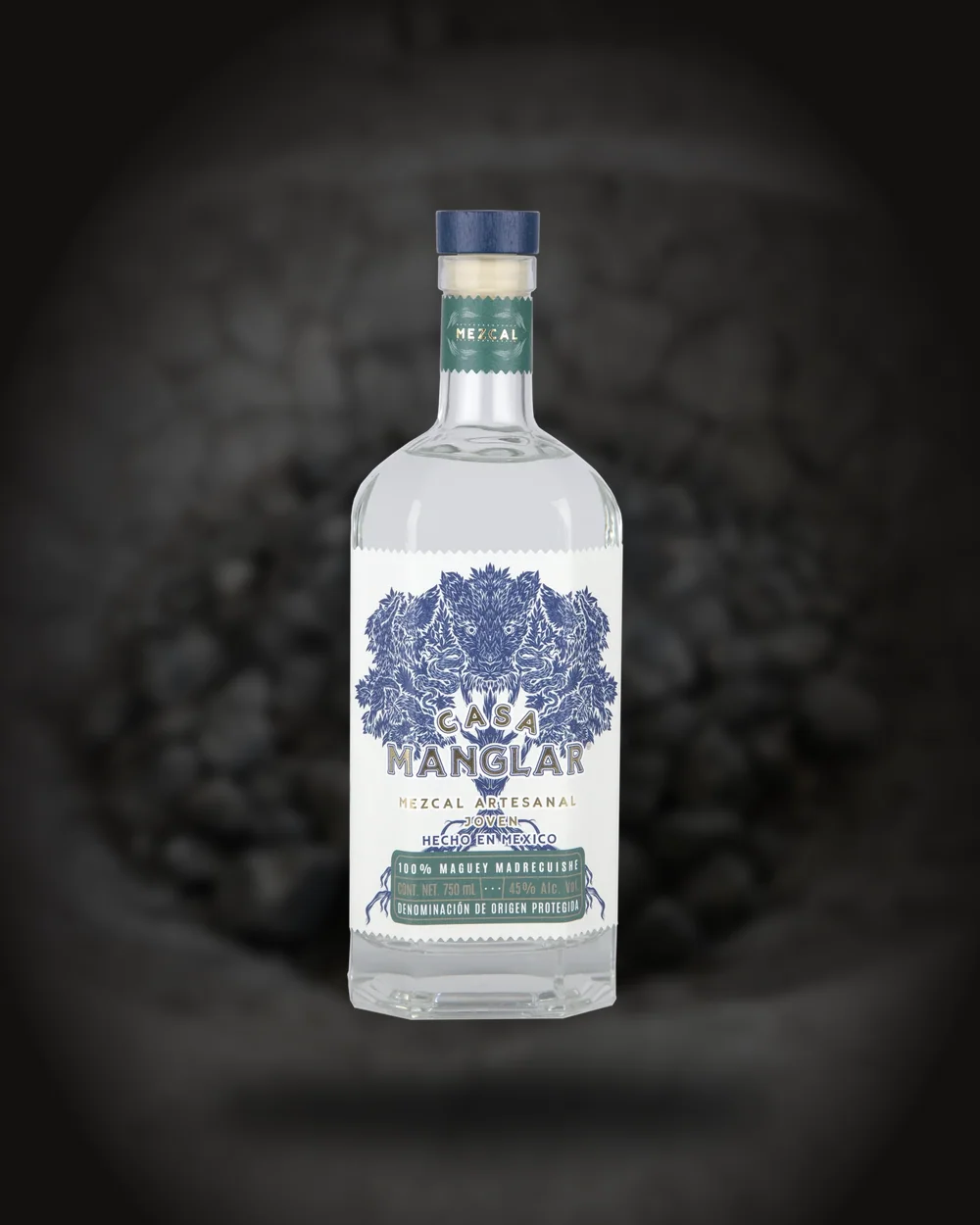
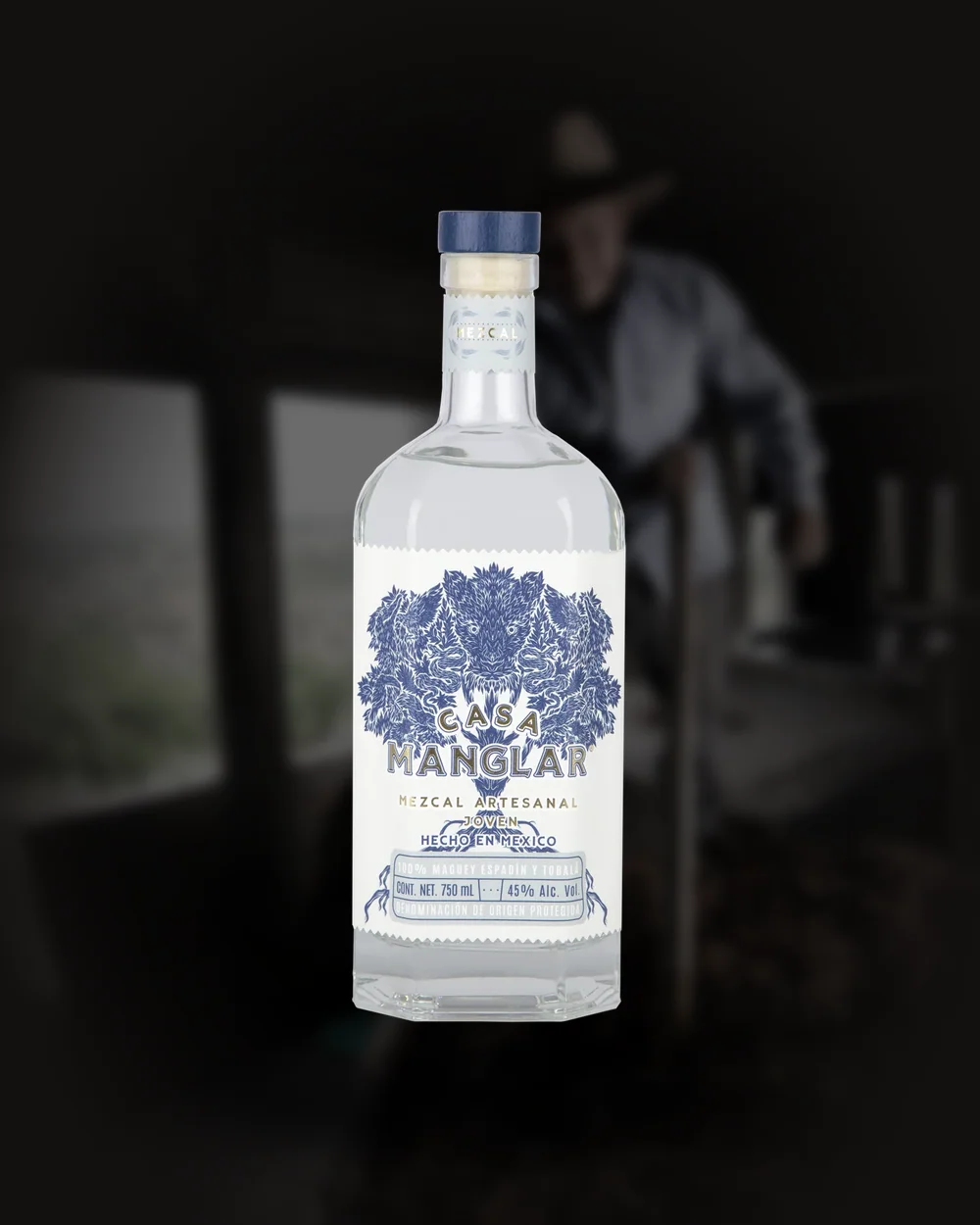
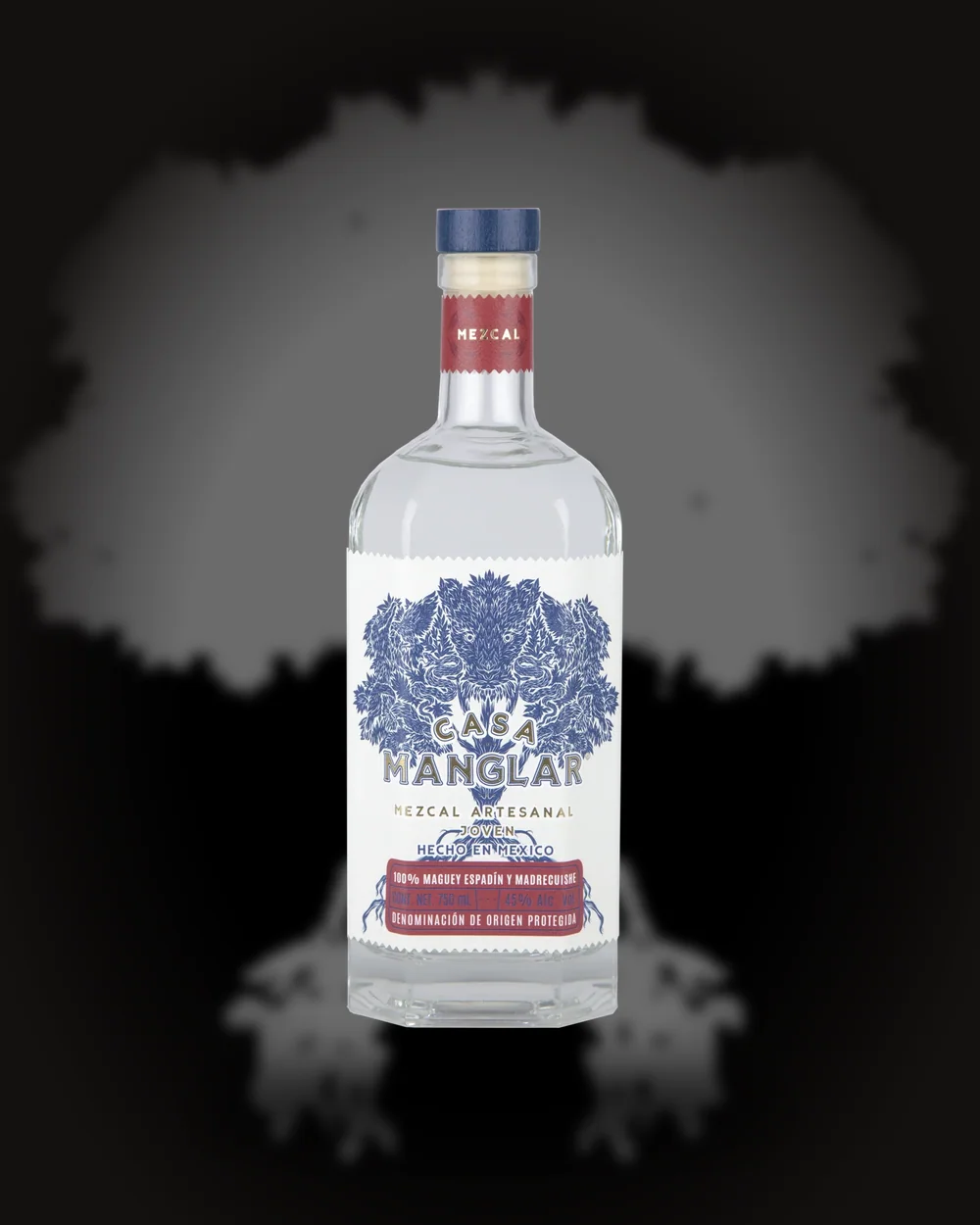
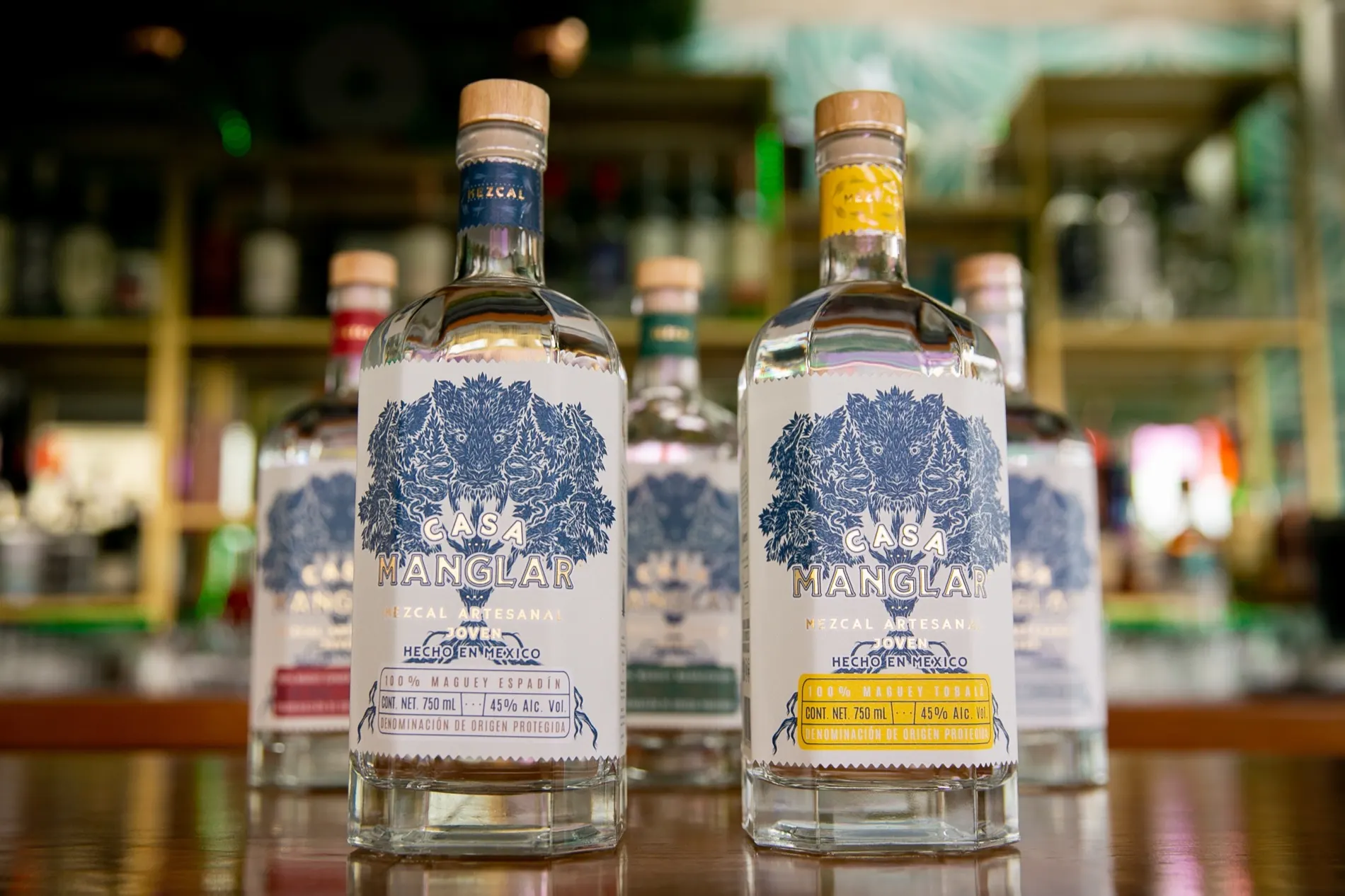
Five magueys. One house.

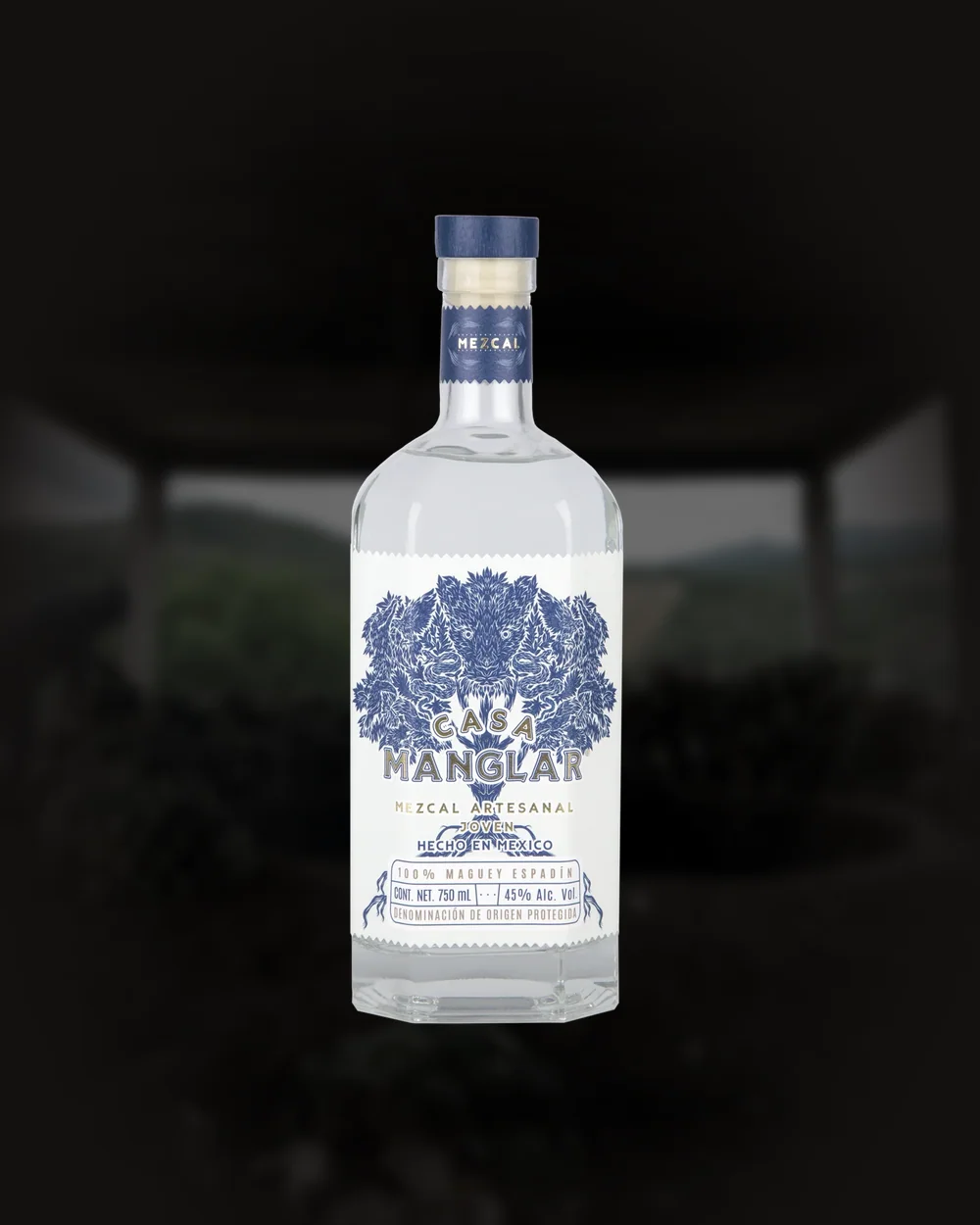
Every expression is bottled joven at 45% — never watered down to be easier.

Visit casamanglarmezcal.com

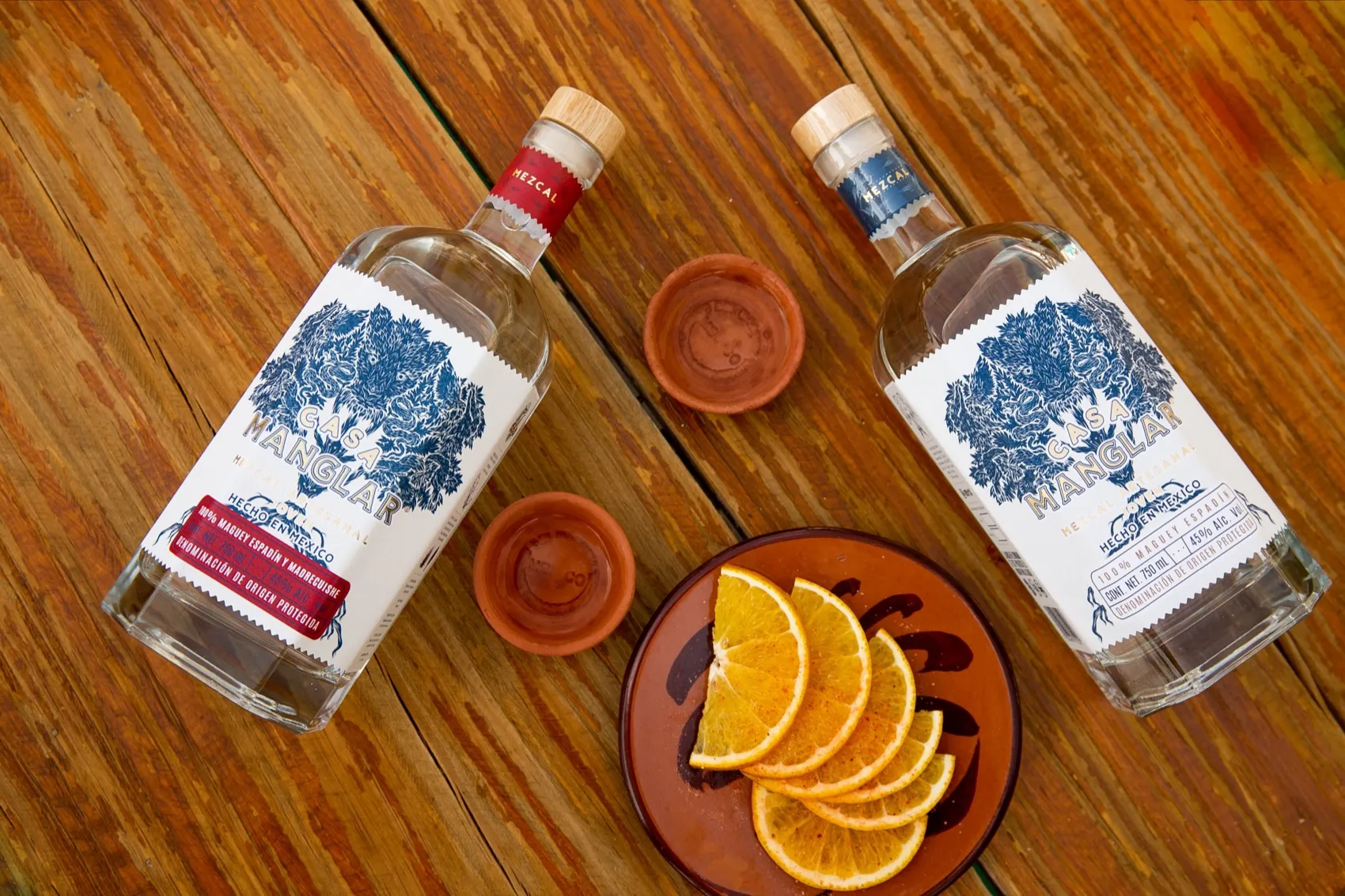
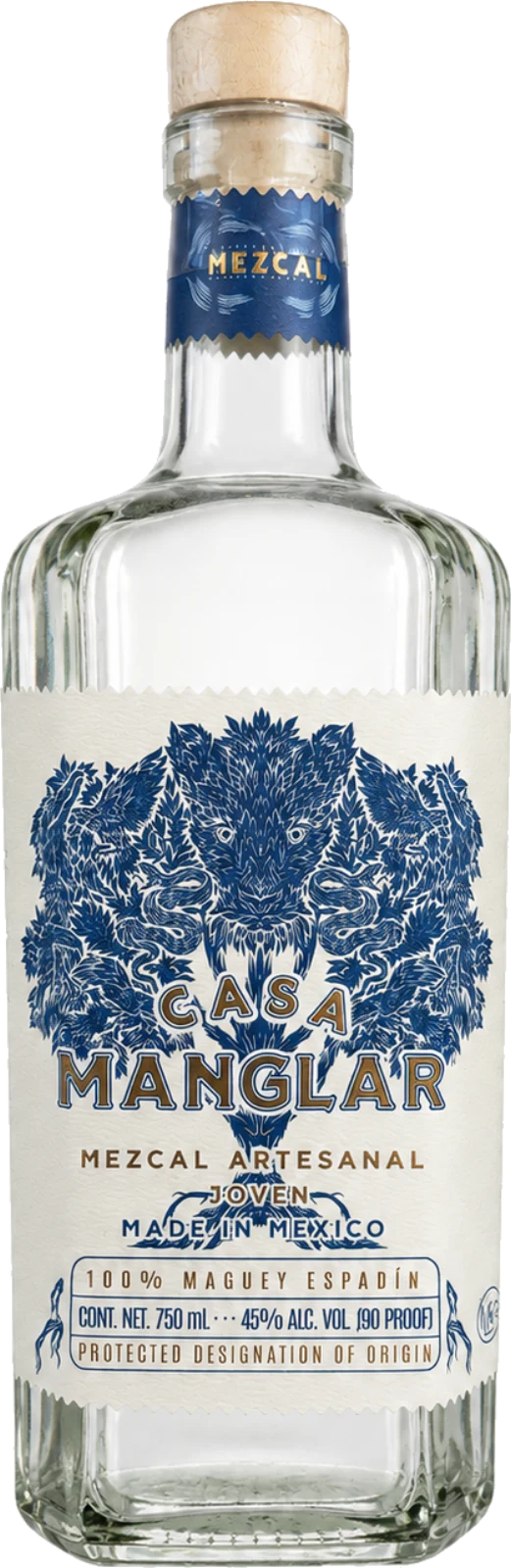
The Casa Manglar label, a mangrove that is also a jaguar

The label

It looks like a tree. It is a census.

The illustration on every bottle records what lives in the Mexican mangrove — as much fauna as there is flora, as many creatures as there are magueys. Most people see a tree and stop there.

The whole crown is a jaguar's face. Two kingfishers flank its head, drawn out of the same leaves. Great egrets face outward from the canopy edges, beaks drawn as leaves. A boa coils through the middle branches, mirrored, right under the jaw. Two keel-billed toucans sit in the outer branches — the easiest to miss and the hardest to unsee.

Holding all of them up: the red mangrove, which also holds the coast together.

From agave to mezcal

Six steps, none of them fast.

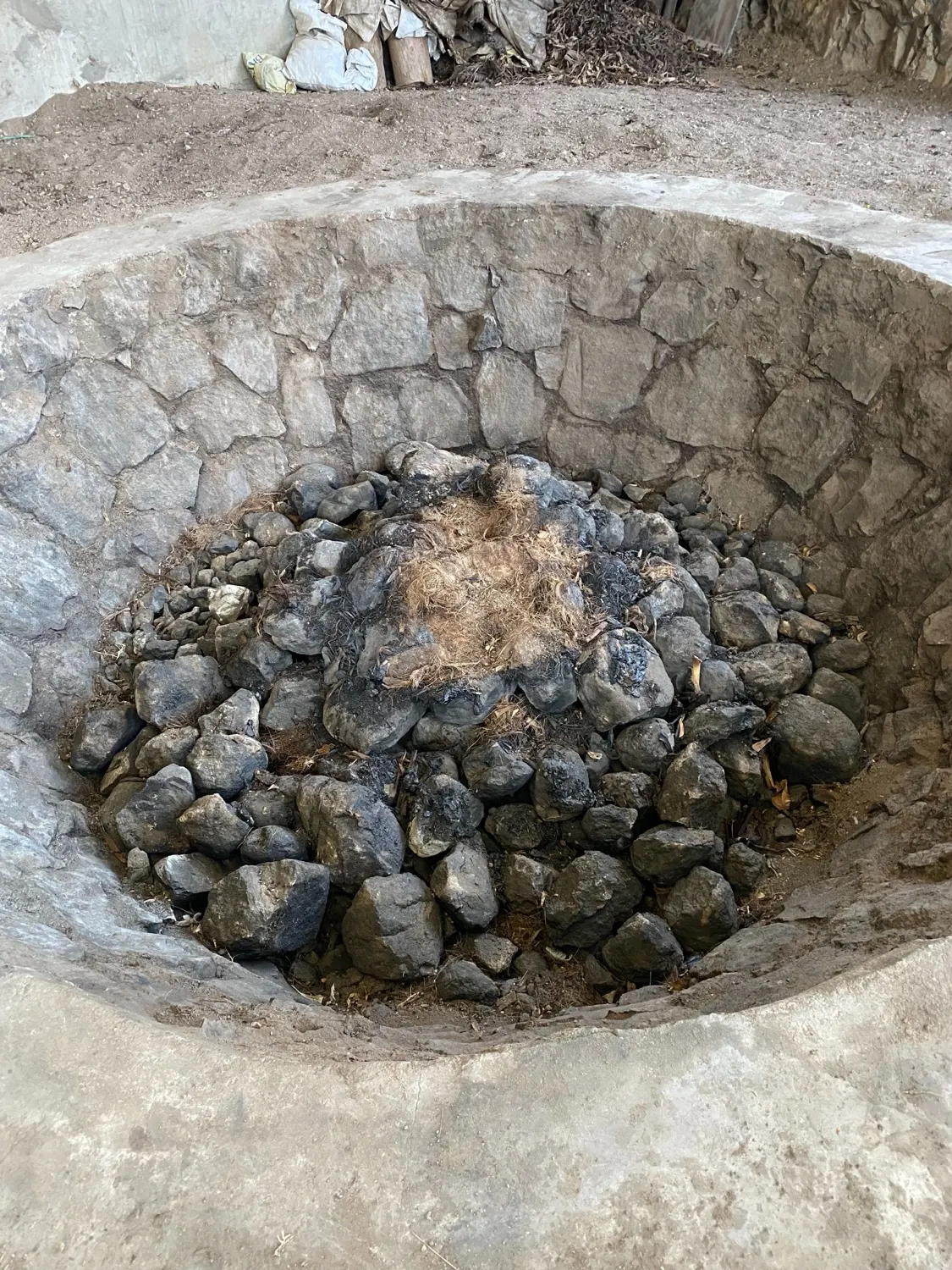
The pit oven being loaded

The oven

A cone-shaped pit lined with river stones and fired with wood. The stones hold heat at 800 to 1,200 °C and roast the piñas for four to seven days under earth and canvas. This is where the smoke comes from, and why ours stays light.

The tahona stone wheel

The stone mill

A circular stone wheel dragged around a rock floor presses the cooked agave until the sugars run. Slower than a mill and worse for yield — which is exactly why the flavour survives it.

Copper pot stills at the palenque

Distillation

Twice, in copper pot stills of 200 to 700 litres, filled and emptied by batch over a wood fire. The maestro mezcalero decides where the heart begins and ends — the cuts are the craft.

Trade information

For importers.

Category

Mezcal artesanal, joven · 100% maguey · five expressions

Origin

San Juan del Río, Sierra de Oaxaca · CRM certified · Denominación de Origen protected

Strength

45% Alc. Vol. · 90 proof

Format

750 ml · 6 bottles per case

Trademark

Registered in the United States, Mexico and the European Union

Certifications

Kosher, palenque and brand · Vegan · 100% agave, artesanal, never industrial

United States

Imported by MISA Imports, Dallas, Texas — self-distributing across ten states

Write about Casa Manglar

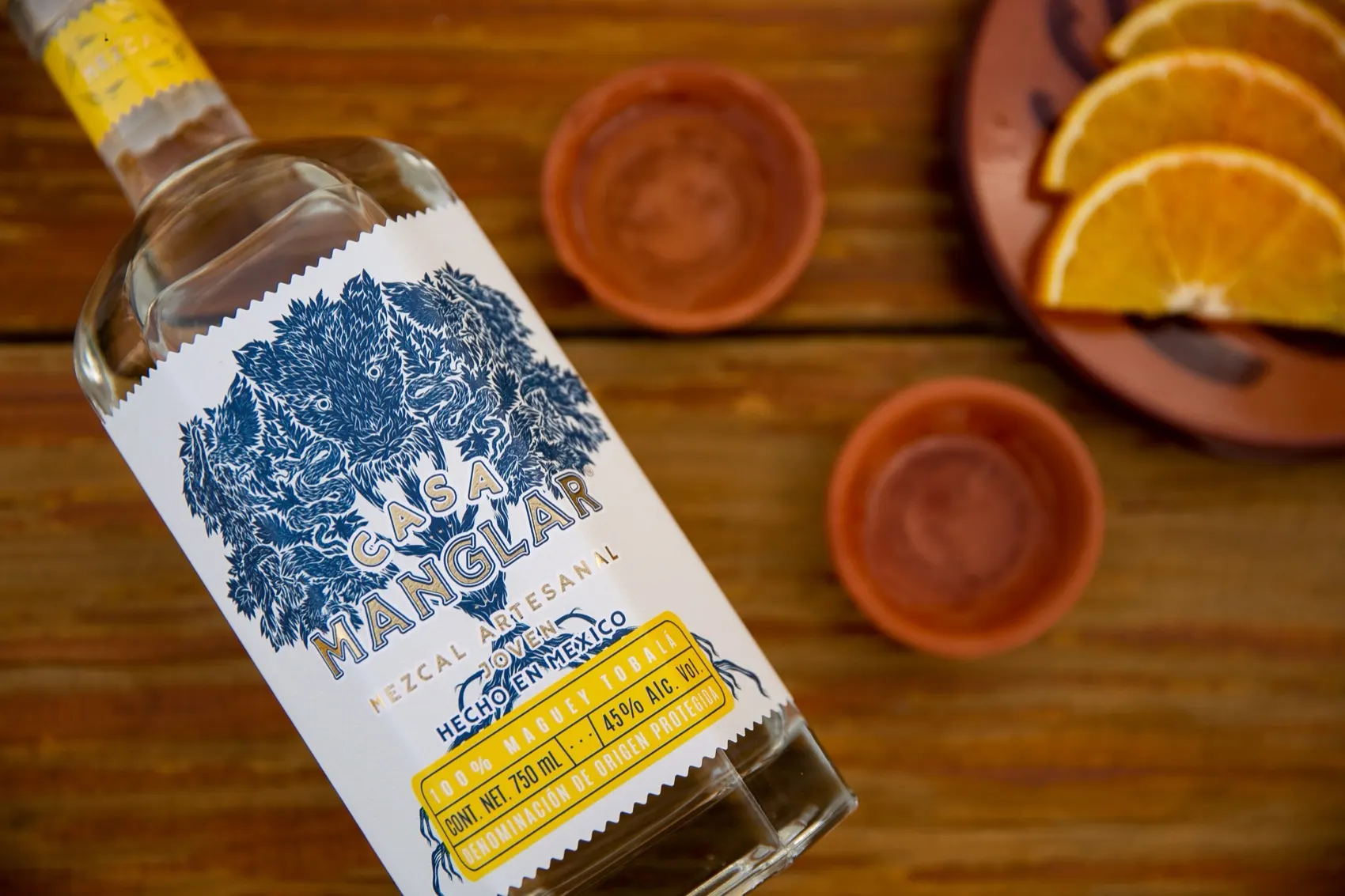
Mezcal served in a jícara

The other house

Sapiens

100% agave tequila from the Pueblo de Tequila, Jalisco. Two gold medals, no additives.

Enter Sapiens